

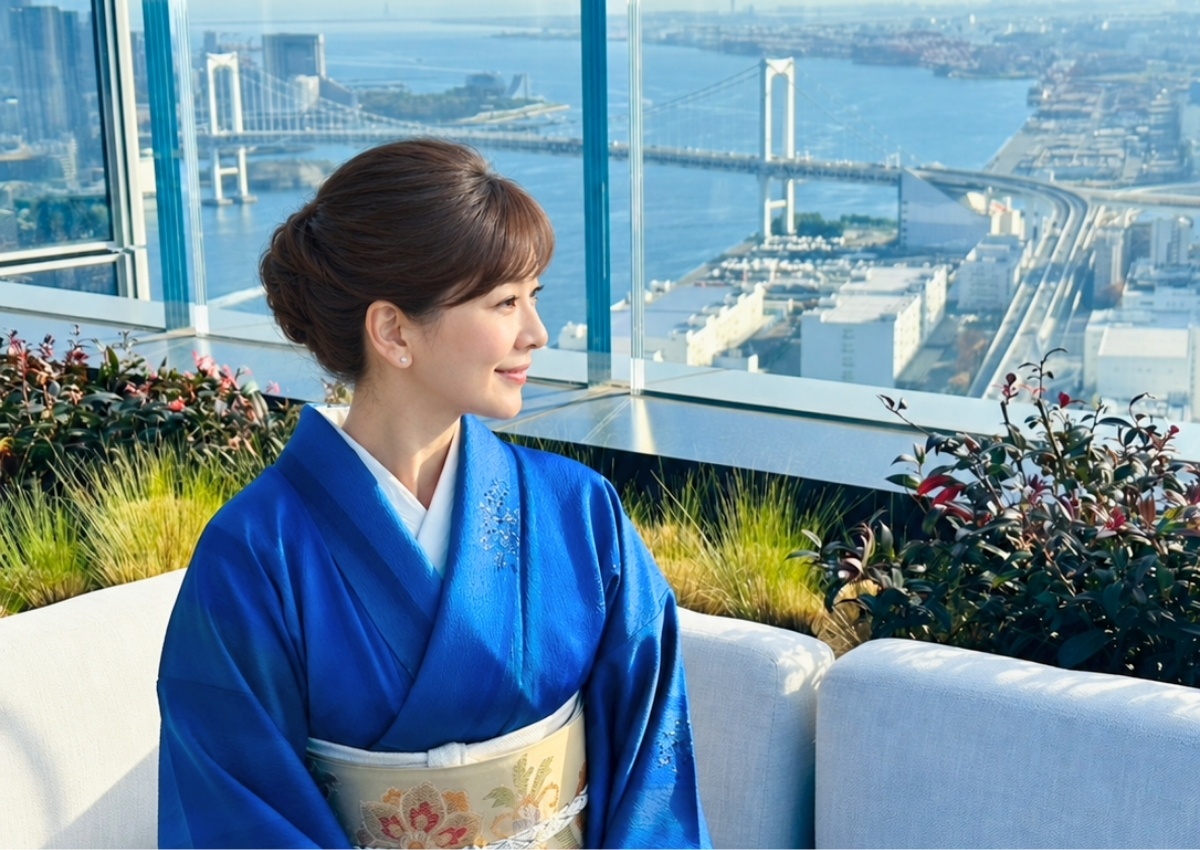
In July 2025, Fairmont Tokyo made its Japan debut on Tokyo’s waterfront, overlooking Tokyo Bay. With expansive views of sky and water, sophisticated interiors accented by modern art, and refined dining, the hotel offers a distinctly contemporary setting. Wearing a vivid ruri-blue kimono, I spent the day enjoying lunch and exploring the hotel’s elegant spaces.
Table of Contents
Fairmont Tokyo on the Shores of Tokyo Bay
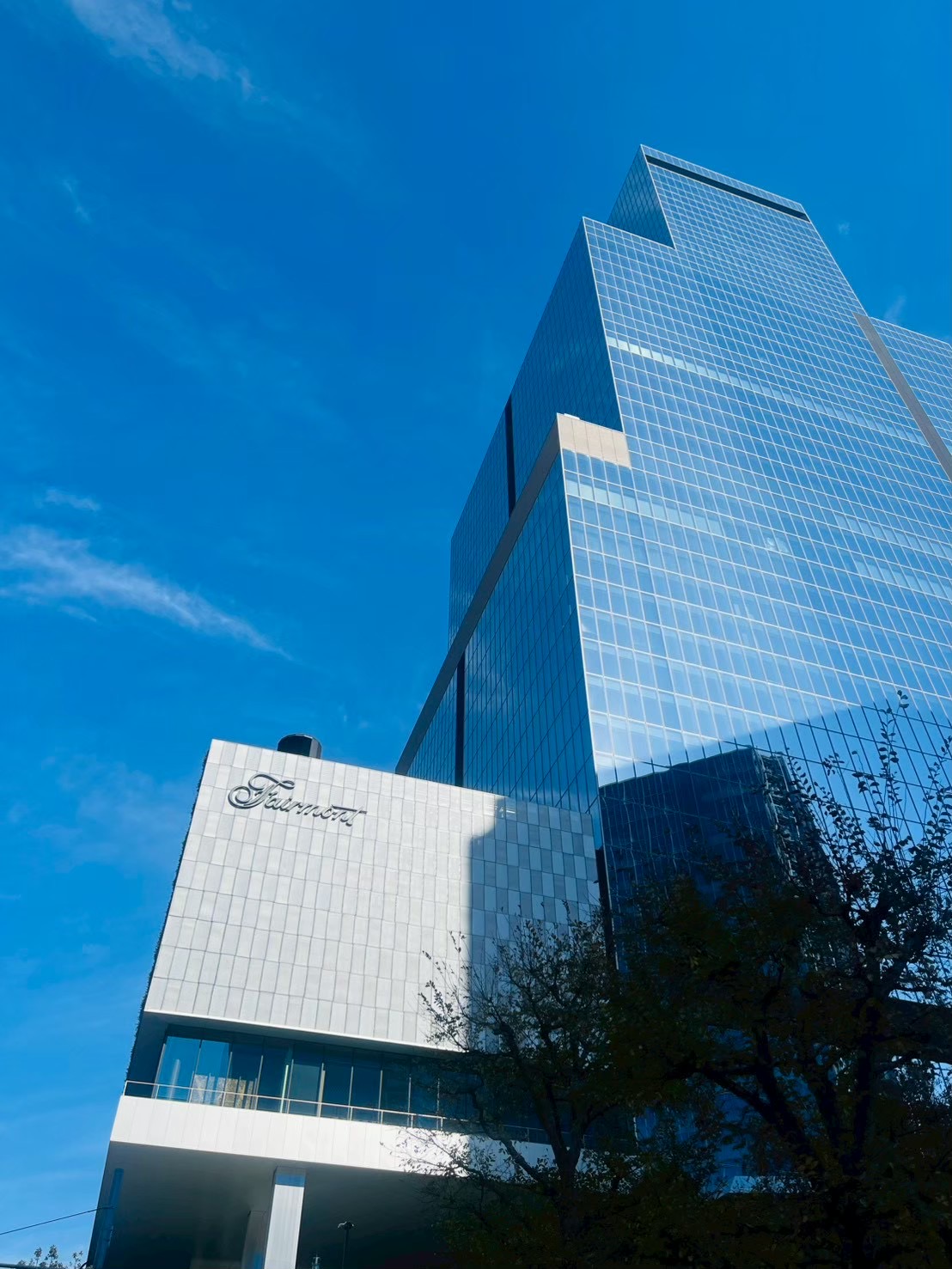
Fairmont Tokyo is the first hotel in Japan from Fairmont, a luxury hospitality brand with properties around the world. Located on the waterfront in Shibaura, Tokyo, the hotel offers sweeping views of Tokyo Bay and the city skyline from its upper floors. Despite its distinctly luxurious setting, the expansive sky and waterfront lend the hotel a refreshing sense of openness, making it easy to forget that you are still in the heart of the city. The hotel is home to several restaurants and bars, including Vue Mer on the 35th floor, where guests can enjoy views over Tokyo Bay. For this visit, I chose a ruri-blue kimono. Against the blue sky and waterfront scenery beyond the windows, the color of the kimono seemed to resonate quietly with the surroundings.
A Modern Lobby Woven with Light and Art
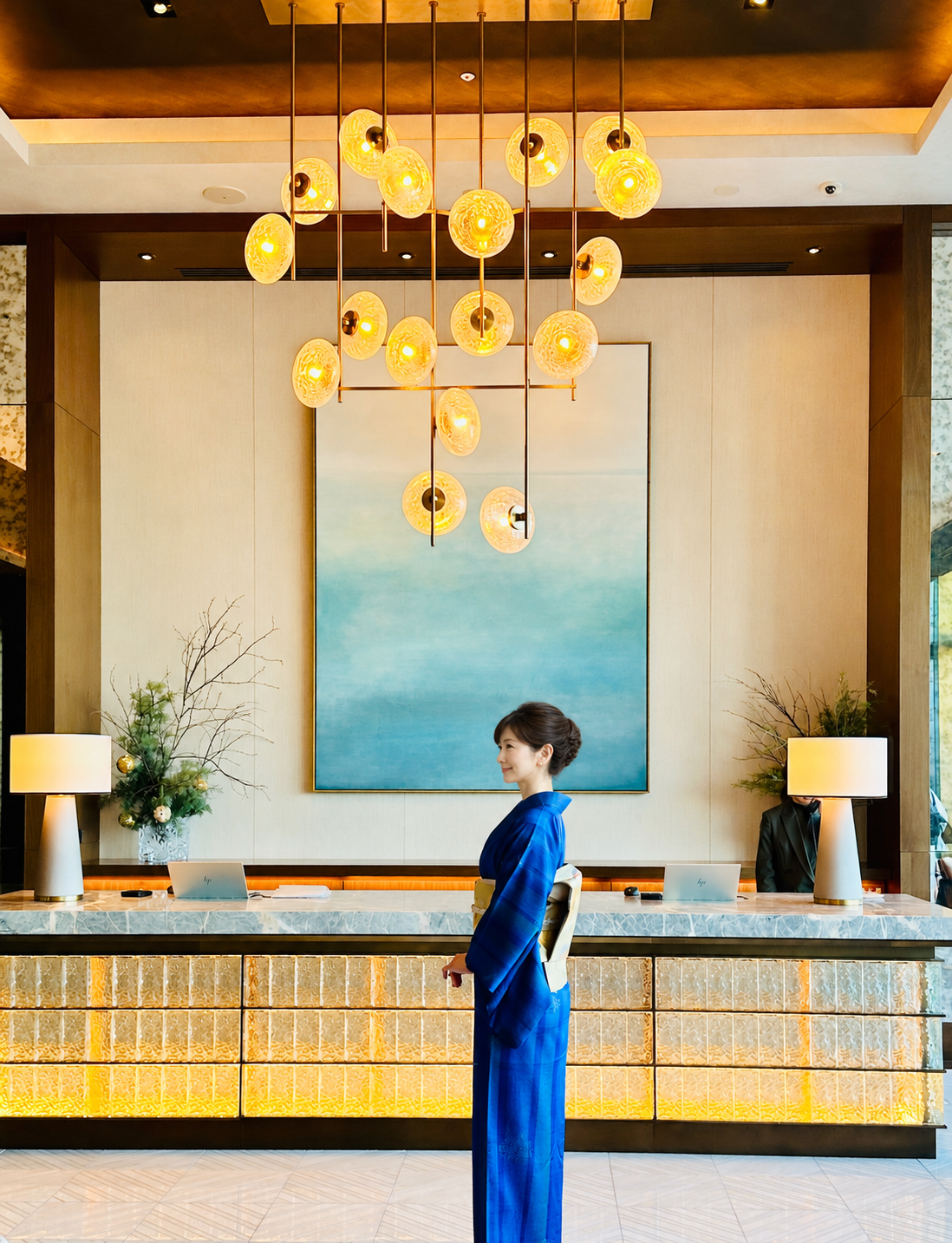
The interiors are what give Fairmont Tokyo its distinctive character. Suspended lighting descends rhythmically from the high ceilings, casting a soft glow reminiscent of bronze and amber. At the same time, natural light streams in through large windows, while blue-toned artworks bring a sense of lightness to the space.
Around the lobby, sculptural objects and artworks with flowing curves are thoughtfully placed throughout. Their organic forms soften the architecture’s clean lines, naturally drawing the eye as you move through the hotel.
What is especially striking is the way Tokyo Bay beyond the windows feels almost like an extension of the interior itself. The sky and water seen through the glass blend with the textures of wood, stone, and metal throughout the hotel, creating an atmosphere that feels both distinctly urban and quietly serene.
When visiting in kimono, part of the pleasure lies in the contrast with this contemporary setting. Unlike the atmosphere of a classic hotel, Fairmont Tokyo offers a distinctive beauty in the way kimono comes together with modern architecture.
A Fine Dining Experience with Views of Tokyo
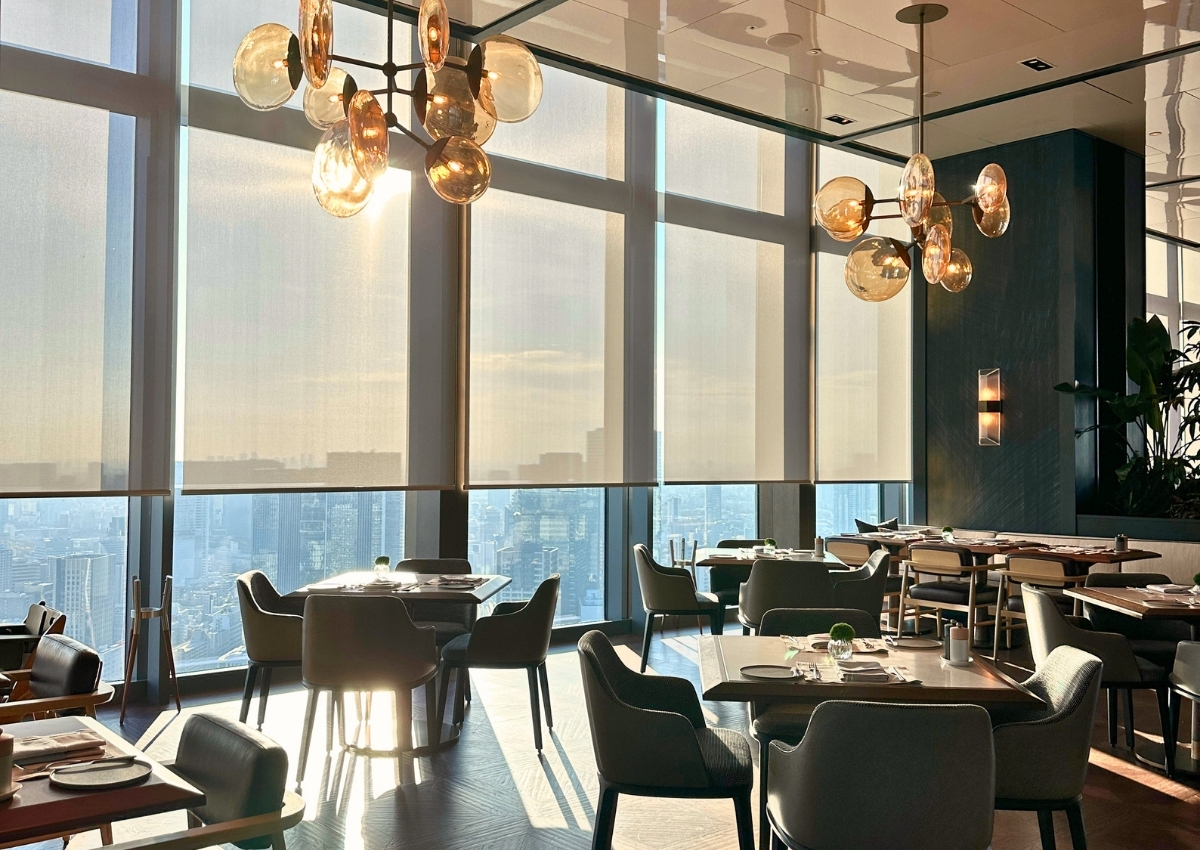
For lunch, I visited Kiln & Tonic, a modern brasserie on the 35th floor. In an open, relaxed setting inspired by the Mediterranean and the coast of Southern California, the restaurant serves dishes prepared with the warmth of a wood-fired oven. The menu highlights seafood, seasonal vegetables, and wood-fired pizza, allowing the natural flavors of each ingredient to take center stage. From the terrace, guests can also enjoy sweeping views across Tokyo.
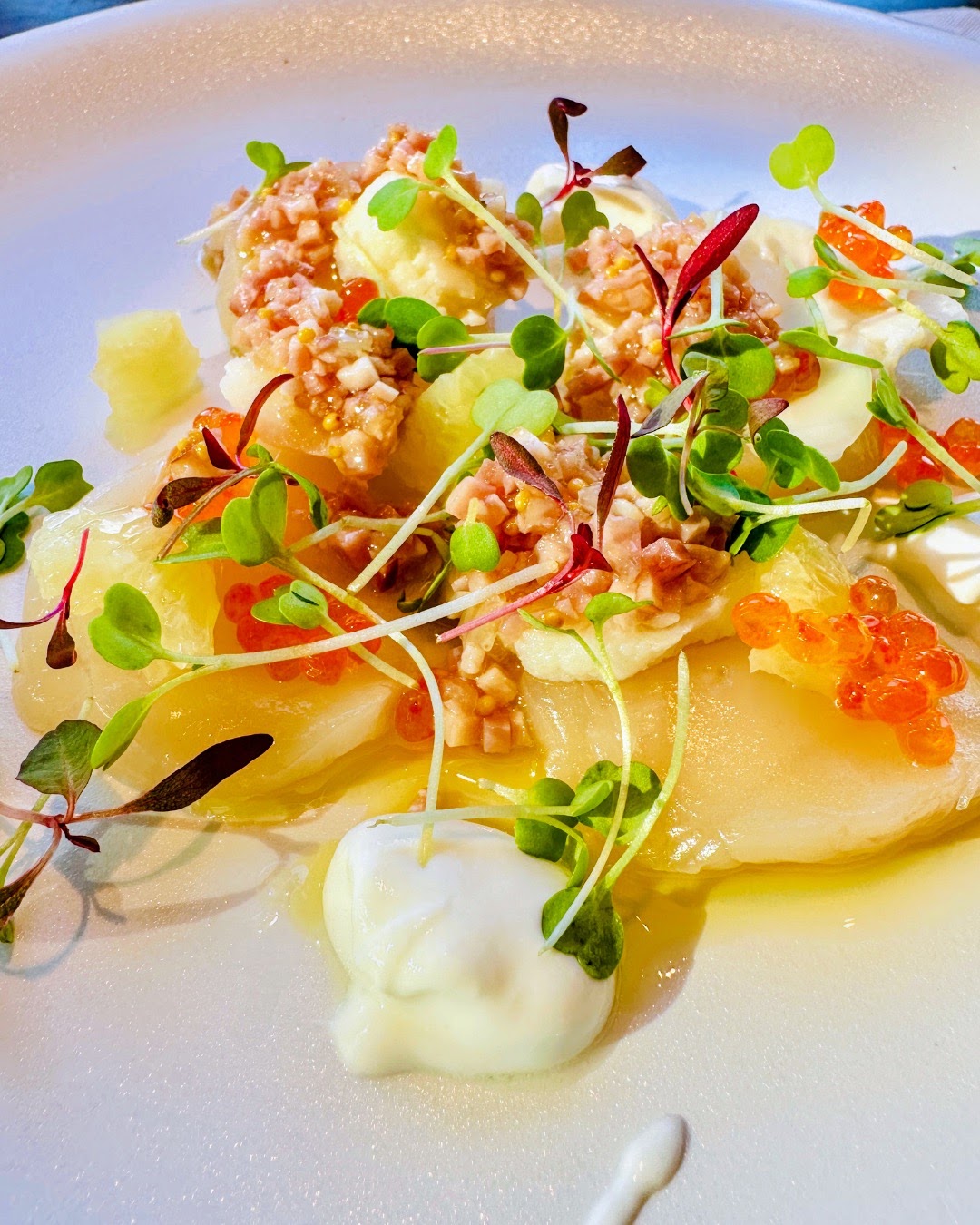
Beautifully presented on large white plates, the dishes feel refined yet light. Enjoyed alongside the expansive views beyond the windows, the meal becomes an integral part of the Fairmont Tokyo experience.
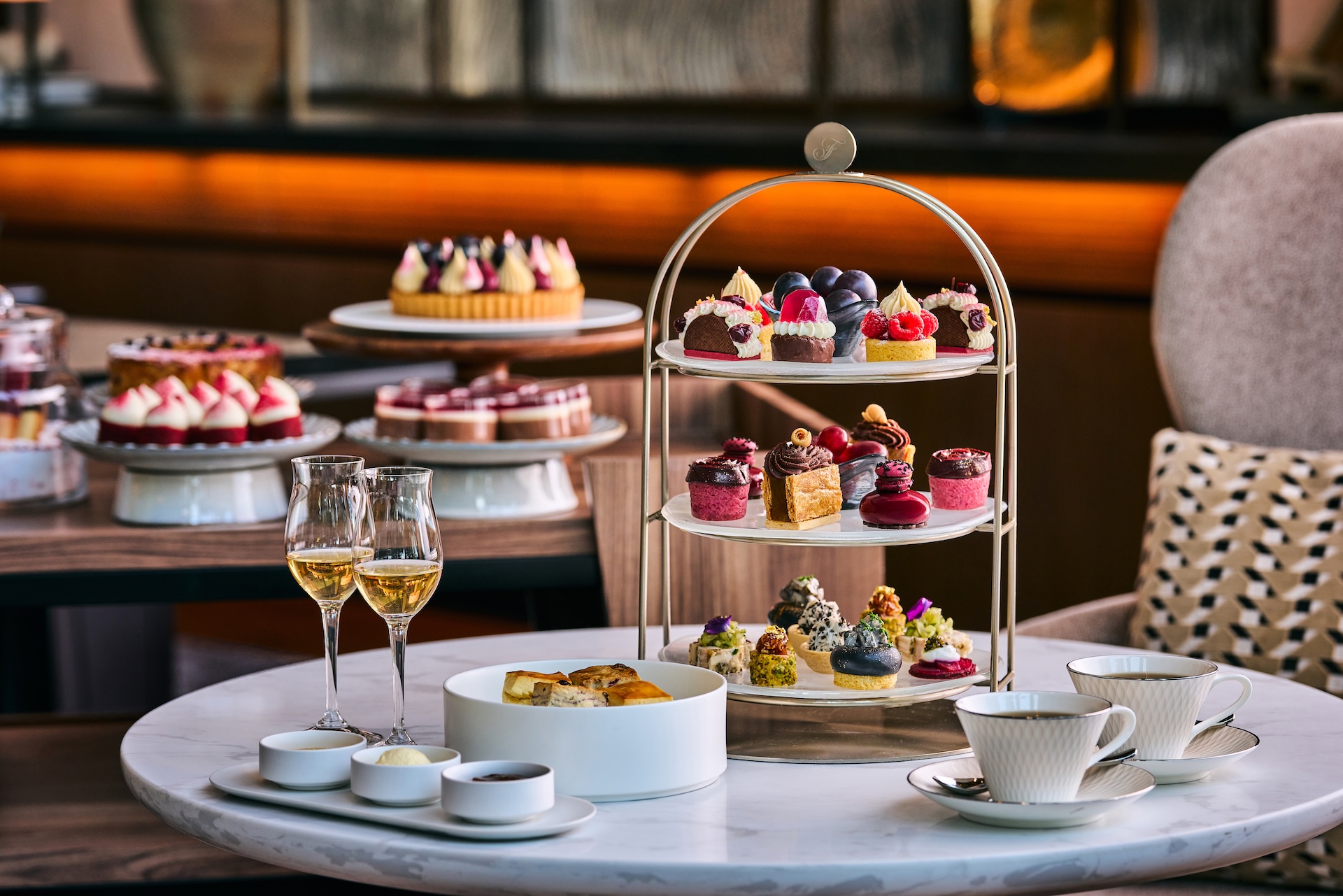
Another highlight is the afternoon tea. At Vue Mer on the 35th floor, guests can enjoy an afternoon tea experience inspired by both French and Japanese café culture, served in the lounge or on the terrace overlooking Tokyo Bay. This blend of French and Japanese influences is also one of the defining themes of Fairmont Tokyo’s dining experience.
▶︎ Discover 6 Tokyo Hotel Afternoon Teas to Enjoy in Kimono
A Waterfront Hotel Made for Kimono
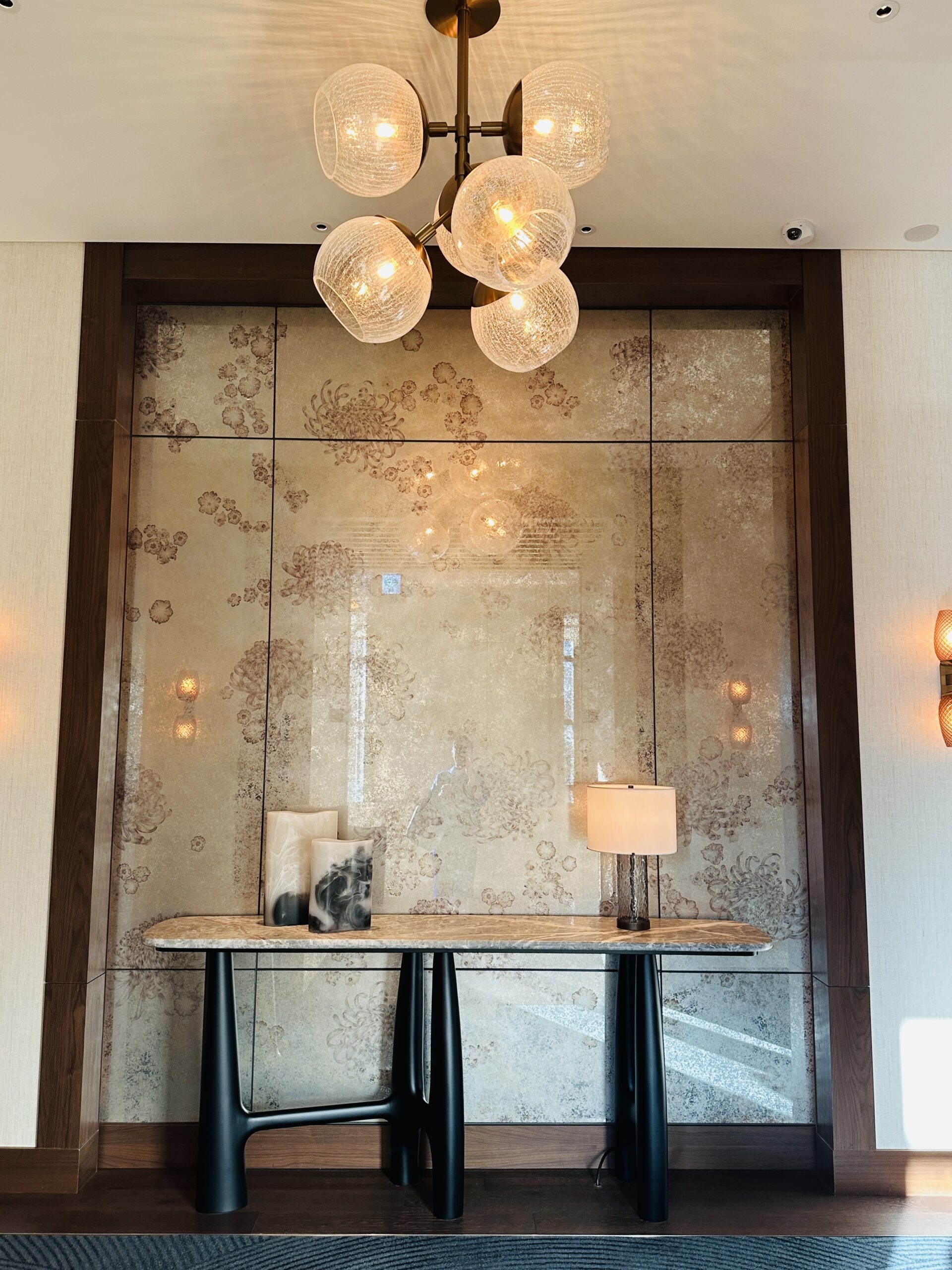
What makes Fairmont Tokyo so appealing is its expansive view over Tokyo Bay and its contemporary hotel setting. Against such a refined backdrop, kimono takes on a fresh and distinctive presence. Unlike wearing kimono in a traditional Japanese setting, here you can appreciate its contrast with glass, light, and the urban landscape—an experience unique to this hotel. The interiors are also filled with art and striking lighting, with many corners that invite you to pause for a photograph before or after your meal. It is a place where the very space itself reveals the pleasure of visiting a hotel in kimono.
Kimono Coordination for the Day
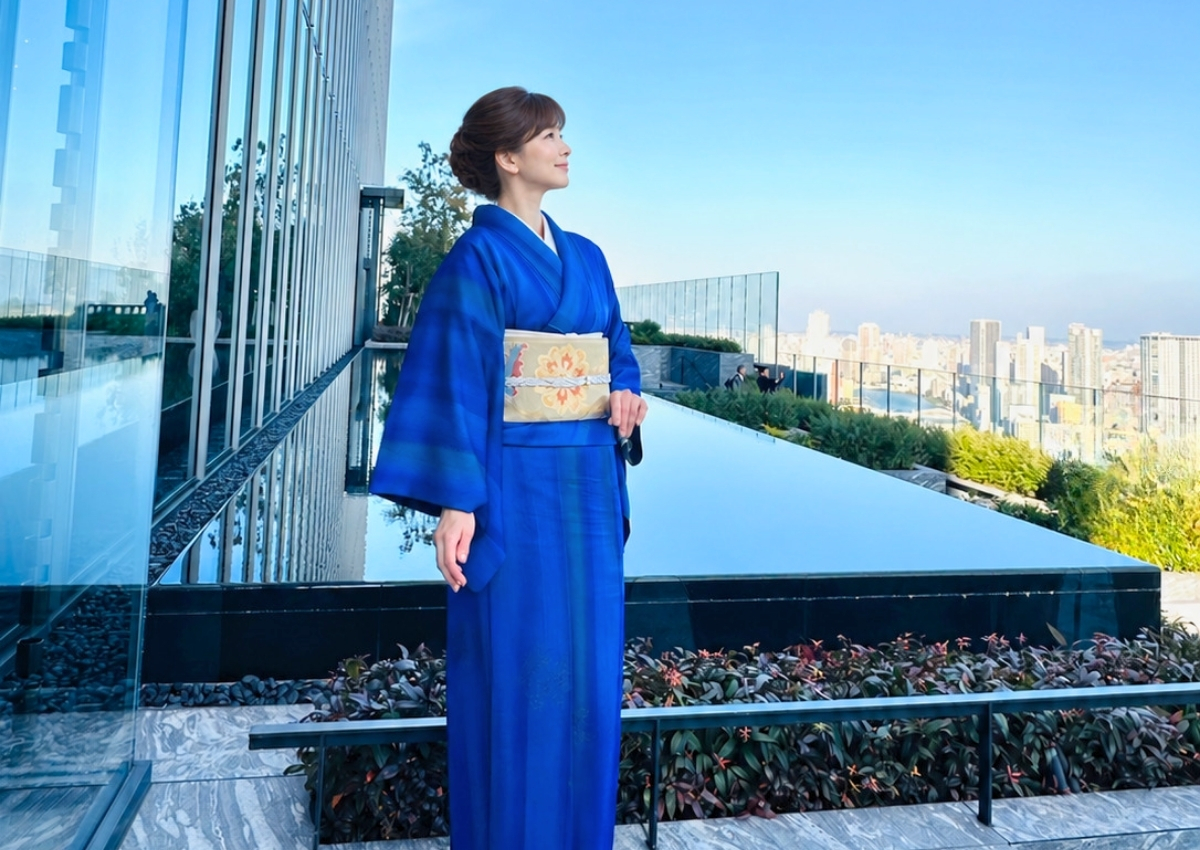
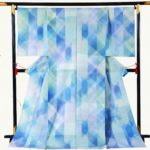
For this visit, I chose a dyed kimono by Jinsen Maeda , based on a deep, clear ruri blue that gains greater depth as it catches the light. Jinsen is known for his use of sarasa-inspired patterns and vivid color, creating kimono that feel expressive rather than confined by traditional formality. Part of the appeal lies in their modern sensibility—pieces that can be enjoyed almost like a dress or a beautifully designed garment.
I paired it with a sharebukuro obi by Karakaze Rin, choosing a pale-toned obi to soften the strength of the ruri blue and create a lighter look that suited the hotel’s contemporary interior.
Unlike formal fukuro obi, a sharebukuro obi is primarily intended for stylish, non-ceremonial dressing. This combination therefore reads less as formalwear and more as refined going-out attire. For an occasion such as lunch at a luxury hotel—where a sense of elegance is welcome, but full formality is unnecessary—this level of dressing feels especially well balanced.
There is no need to raise the level of formality simply because the setting is Western in style. What matters is keeping the kimono and obi appropriate to one another, then choosing colors, textures, and motifs that complement the atmosphere of the place. At the contemporary Fairmont Tokyo overlooking Tokyo Bay, the combination of a deep blue kimono and a softly toned obi harmonized naturally with the sky and waterfront scenery.
Where Scenery and Kimono Come into Harmony
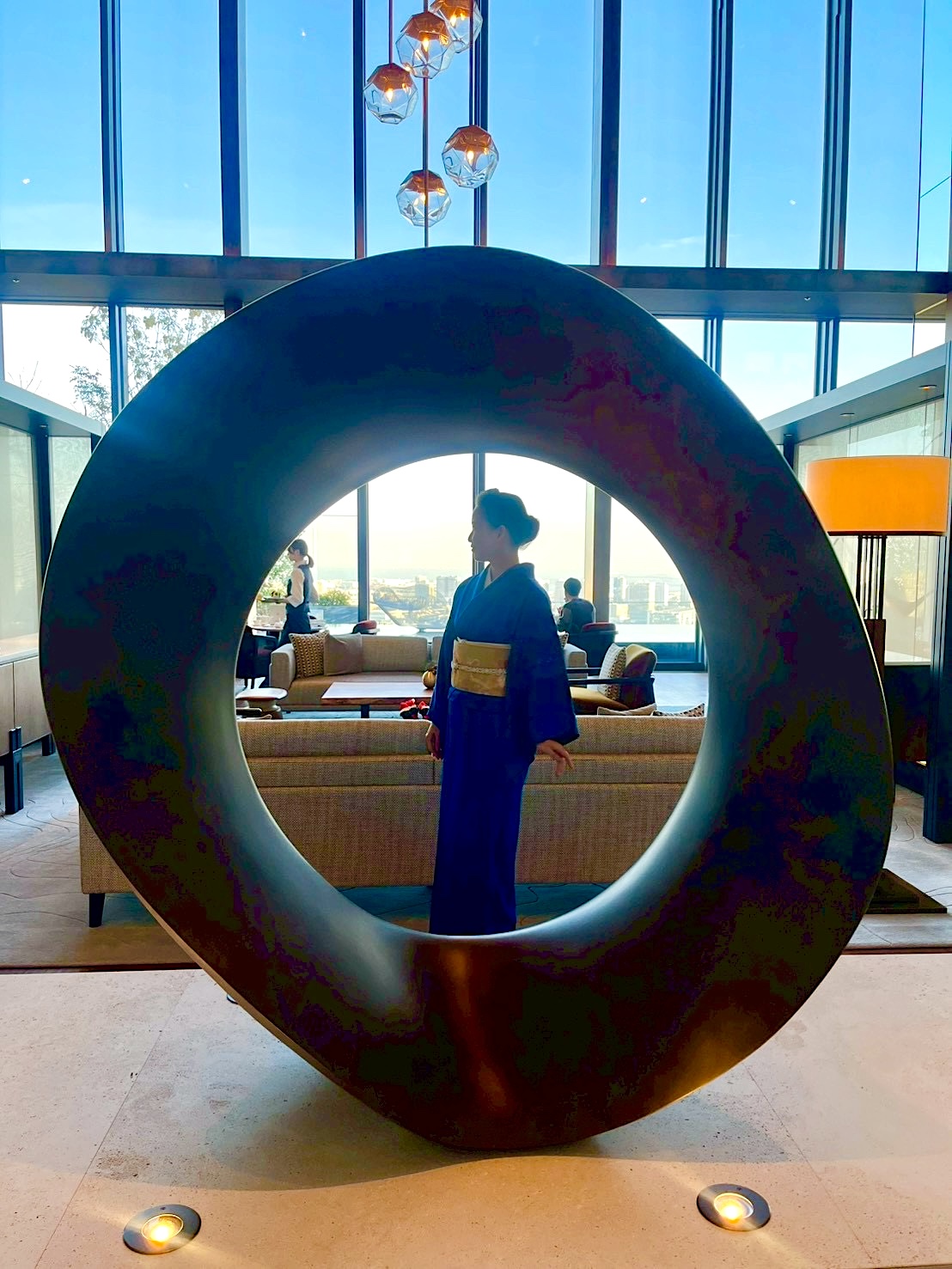
At Fairmont Tokyo, overlooking Tokyo Bay, kimono can be chosen not only as a formal expression of dress, but also as a way to engage with the scenery itself. The blue of the sky, the shimmer of the waterfront, and the city lights reflected in glass can all inspire a color to echo subtly through an obi or accessory, turning the entire hotel experience into part of the coordination. Enjoy lunch, wander through art-filled interiors, or simply pause by a window. Even without an elaborate itinerary, wearing kimono can make an ordinary hotel visit feel more deliberate and memorable. Against the sky and sea of Tokyo, the deep blue kimono became part of the landscape itself. Moments when place and attire come into harmony remain quietly in the heart, long after the photograph is taken.
________________________________________
Fairmont Tokyo
1-1-1 Shibaura, Minato-ku, Tokyo, Japan
BLUE FRONT SHIBAURA TOWER S
TEL: 03-4321-1111 (Main)
▶︎ Hotelvia official website
_____________________________________