

Production Area/Tokamachi City, Niigata Prefecture
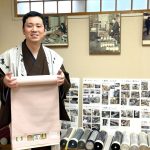
Our destination is Tokamachi City in Niigata Prefecture, the birthplace of Tokamachi Akashi Chijimi. In this snowy region, weaving techniques flourished over the centuries. During the Edo period, Tokamachi became a center for producing fine Echigo-jofu and Honshiozawa—heirloom-grade ramie textiles.But this raises an intriguing question:Why is a textile called “Akashi,” a name associated with a location in western Japan, being woven in Tokamachi, Niigata?To find the answer, we visited Yoshizawa Orimono, a renowned weaving house in Tokamachi that specializes in Akashi Chijimi.
In This Article:
- The history behind the birth and revival of Tokamachi Akashi Chijimi.
- How its distinctive crepe texture creates a cool, airy feel.
- The meticulous production process, from yarn design to final finishing.
- Its comfort and cultural value as a summer kimono textile.
Table of Contents
The Lightness Created by the Twist of Silk Threads.
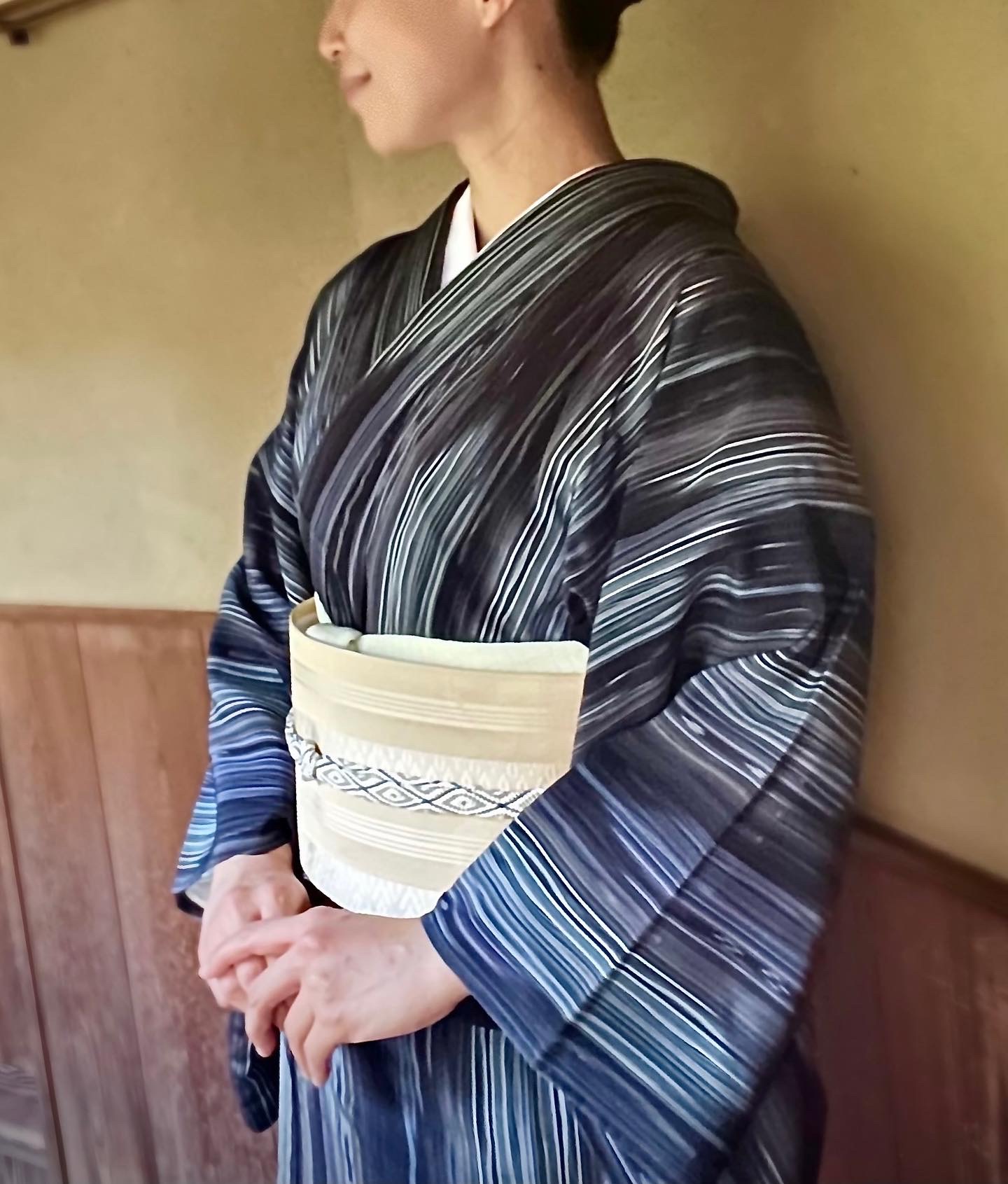
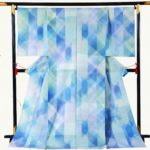
With its crisp crepe texture, cool hand, and elegant sheerness, Tokamachi Akashi Chijimi is the kind of textile one longs to wear as the days grow warmer. Often compared to the wings of a cicada for its remarkable lightness, it is comfortable from early summer through the height of the season and into the lingering heat of late summer. There are many garments suited to the hottest months, from hemp kimono and summer tsumugi to yukata. Yet Tokamachi Akashi Chijimi has a distinctive appeal: the soft lustre unique to silk and the way it follows the body, creating a graceful silhouette. For summer, it offers a sense of poised freshness. In bright sunlight, Akashi Chijimi brings out a kimono look that feels both crisp and quietly radiant.
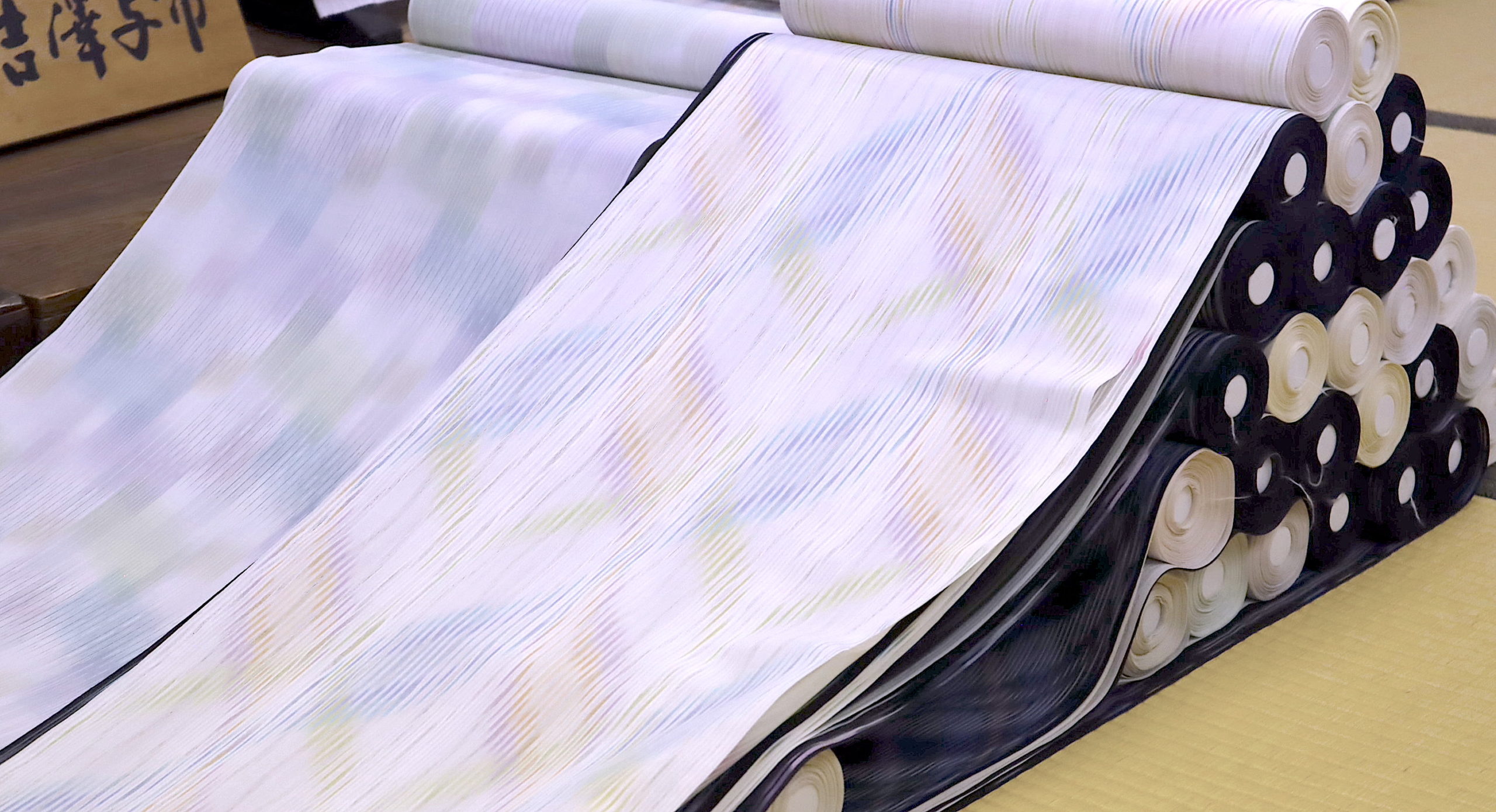
The Birth of Tokamachi Akashi Chijimi.
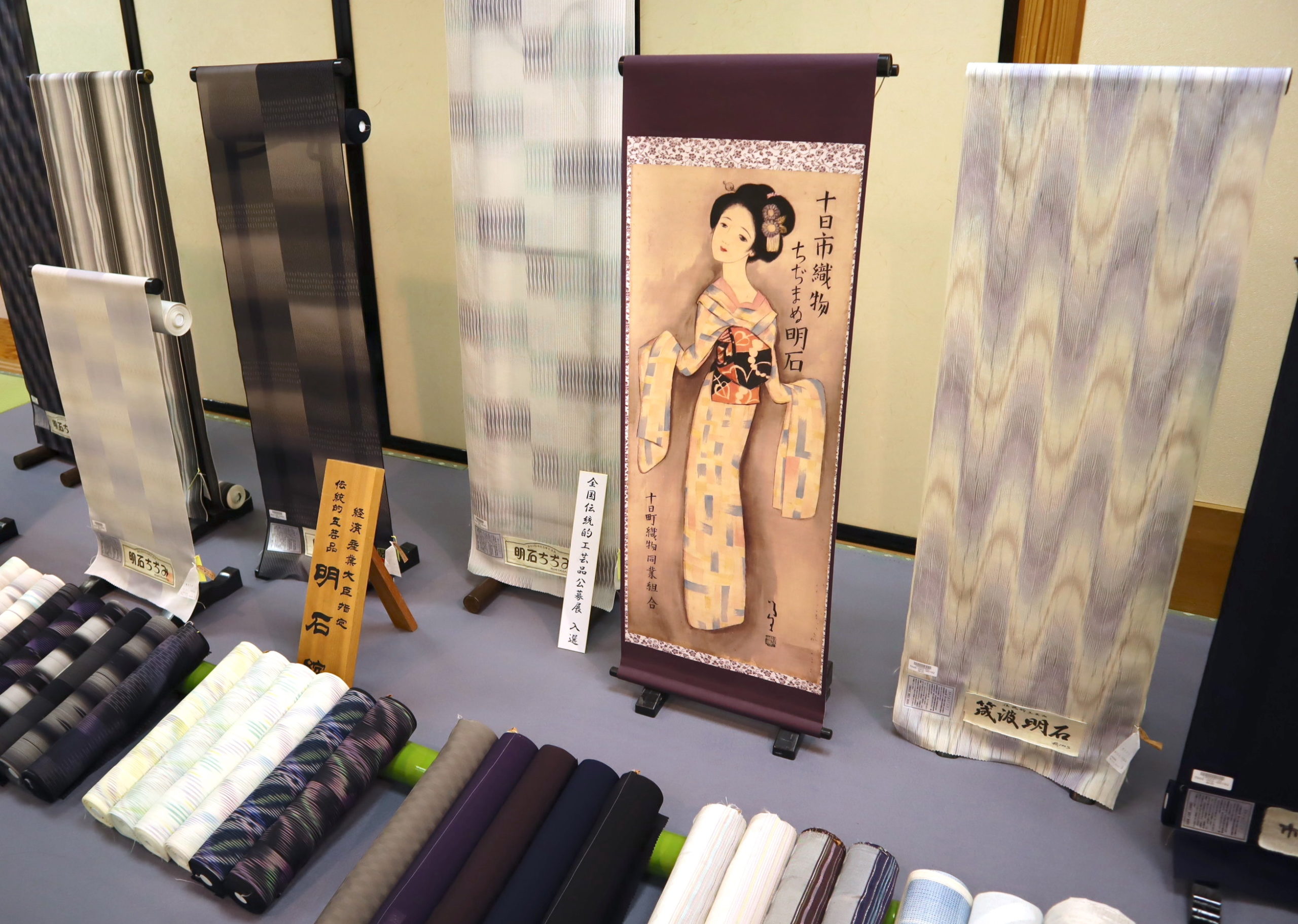
With the arrival of the Meiji era, Tokamachi began shifting from hemp crepe to silk crepe, and around 1887, the development of Tokamachi Akashi Chijimi began in earnest. After years of experimentation, it made its market debut as a finished textile around 1894. Yet demand was limited at first. The turning point came with improvements in processing. Through a technique known as jōjū finishing, the drawback of shrinking when wet was overcome. The later invention of water-repellent treatment led to the memorable phrase, “Akashi that will not shrink even with beads of perspiration,” helping establish its position as a luxury summer kimono fabric. These efforts bore fruit. During the Taishō era, production rose dramatically from 30,000 to 150,000 bolts. When the promotional song Tokamachi Kouta was created in 1929, Tokamachi Akashi Chijimi became widely admired by women across Japan as a beautiful silk crepe and a leading fashion of its time.
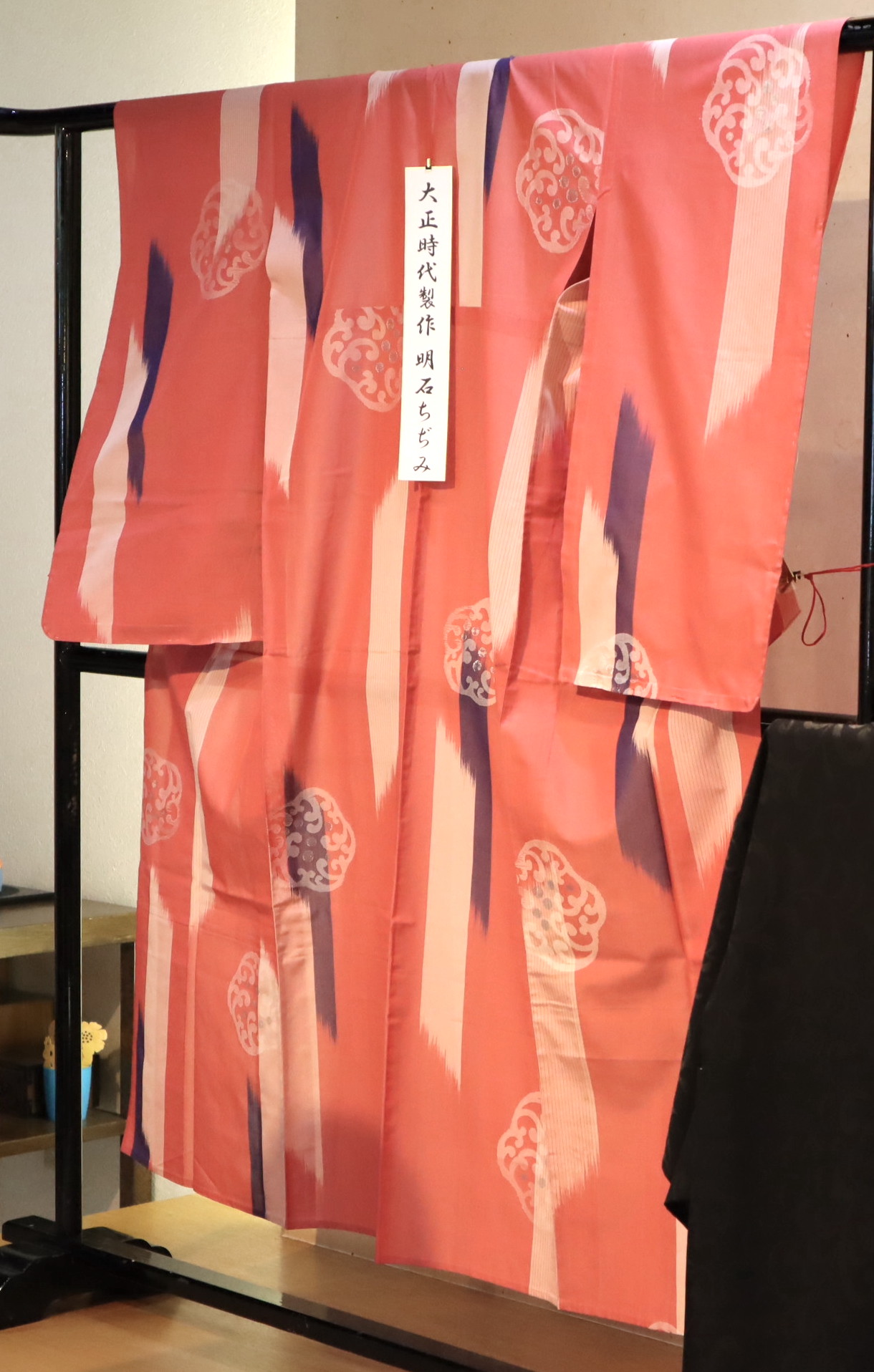
However, wartime economic controls led to a sharp decline in production after the war. In the late 1970s, Yoshizawa Orimono, the company that had established Tokamachi Akashi Chijimi in 1897, revived the textile, and its popularity quickly returned. Today, the company continues to weave Tokamachi Akashi Chijimi in significant numbers each year, and it remains widely loved as one of the defining textiles of the summer kimono season.
Exquisite Silk Threads Twisted Over 4,000 Times
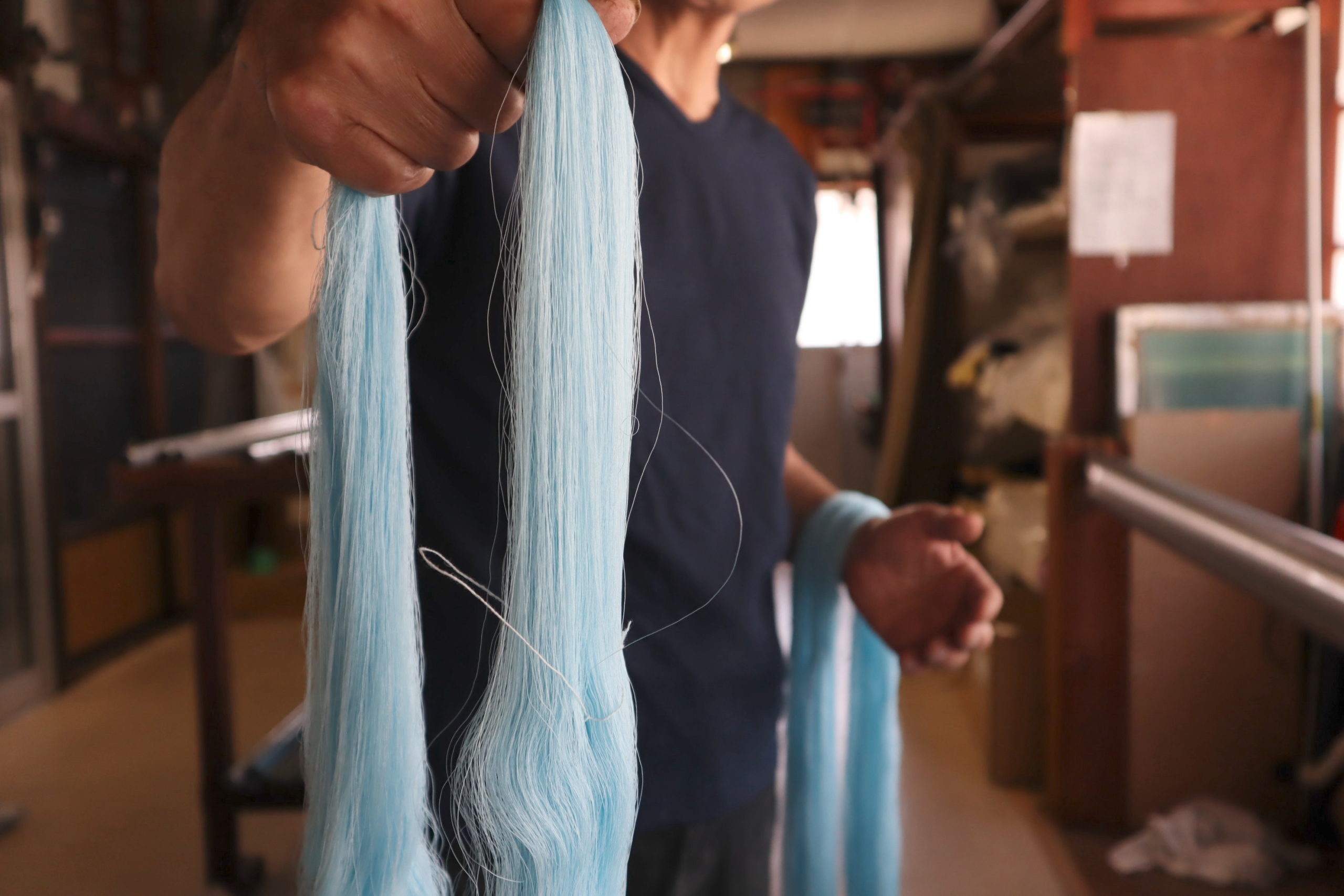
A defining feature of Akashi Chijimi is the strong twist applied to the weft yarns, which creates the distinctive crepe texture known as shibo—fine, wave-like ripples across the fabric. Using a Haccho twisting machine, 27-denier silk yarn is twisted approximately 4,000 times per metre, producing an exceptionally fine thread, almost as delicate as a strand of hair. The number of twists varies depending on the textile, but the average is around 3,000 twists per metre, while chirimen typically uses about 3,500. This shows just how exceptionally strong the twist is in Akashi Chijimi.
Because of the high twist, even the slightest impurity can cause irregularities in the weave. For this reason, only the finest portion of the silk thread—taken from the middle of the cocoon—is used, while the beginning and end are discarded. This makes Tokamachi Akashi Chijimi an exceptionally luxurious textile, requiring only the purest, highest-grade silk yarn to produce.
A Textile Shaped by the Skill of Master Artisans.
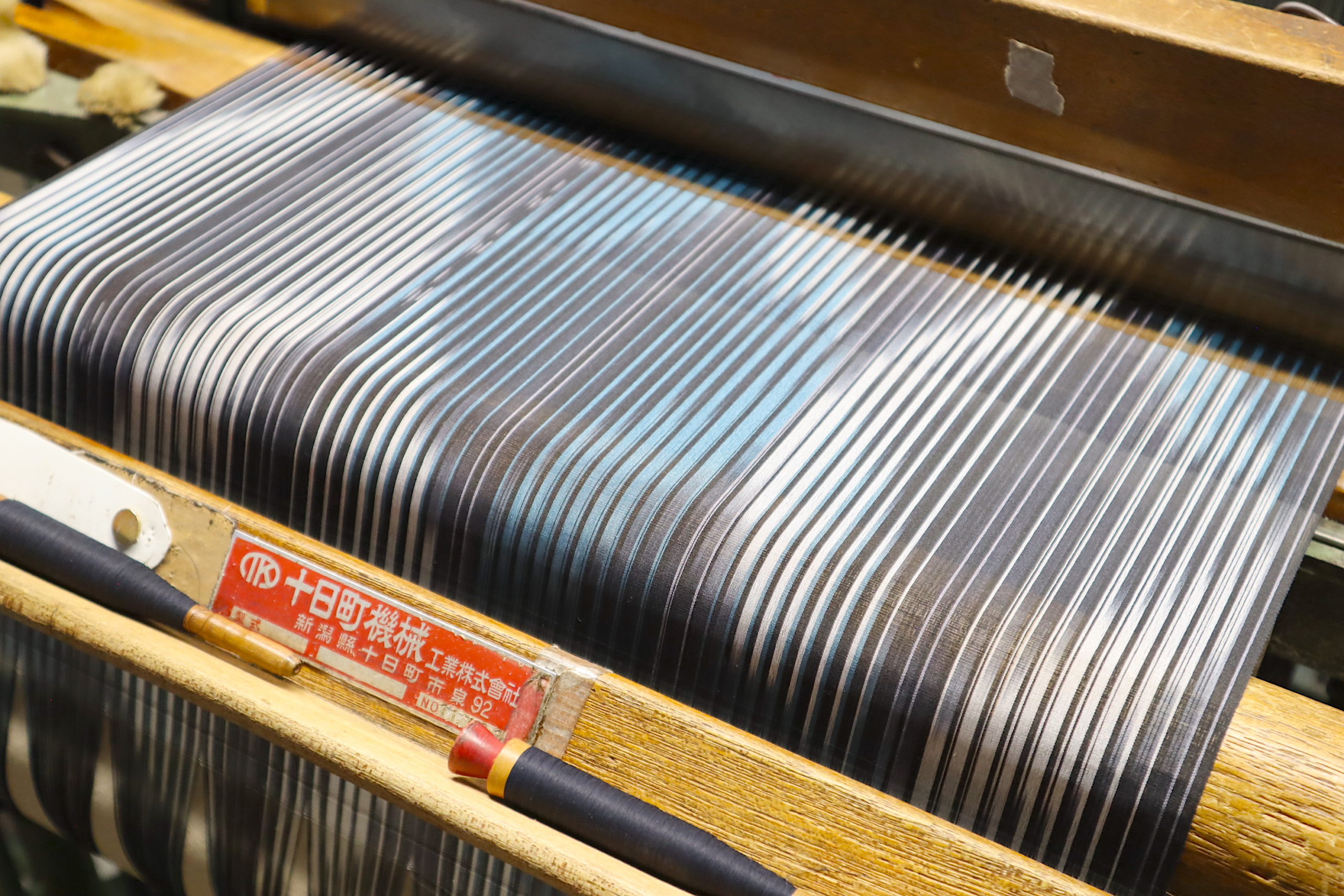
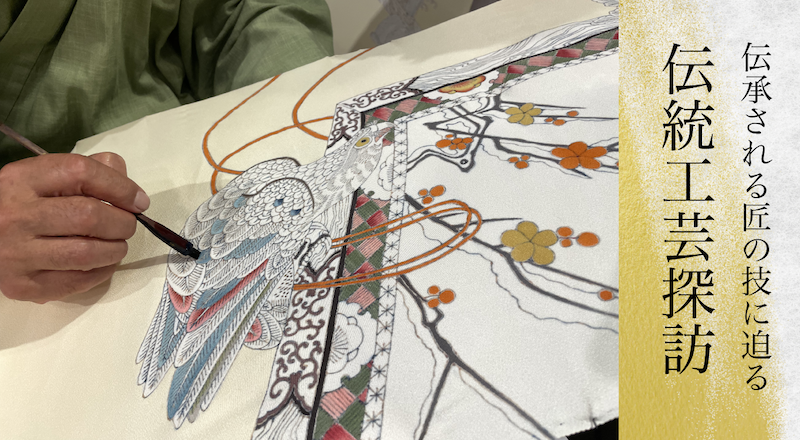
The creation of Akashi Chijimi involves eight principal stages: design, yarn twisting, hand stretching, marking and binding, rubbing and dyeing, sizing and final twisting, weaving, and finishing. Because it is a lightweight, sheer textile, every stage—from yarn dyeing and kasuri patterning to winding and weaving—demands a level of skill, concentration, and responsibility beyond that required for ordinary fabrics.
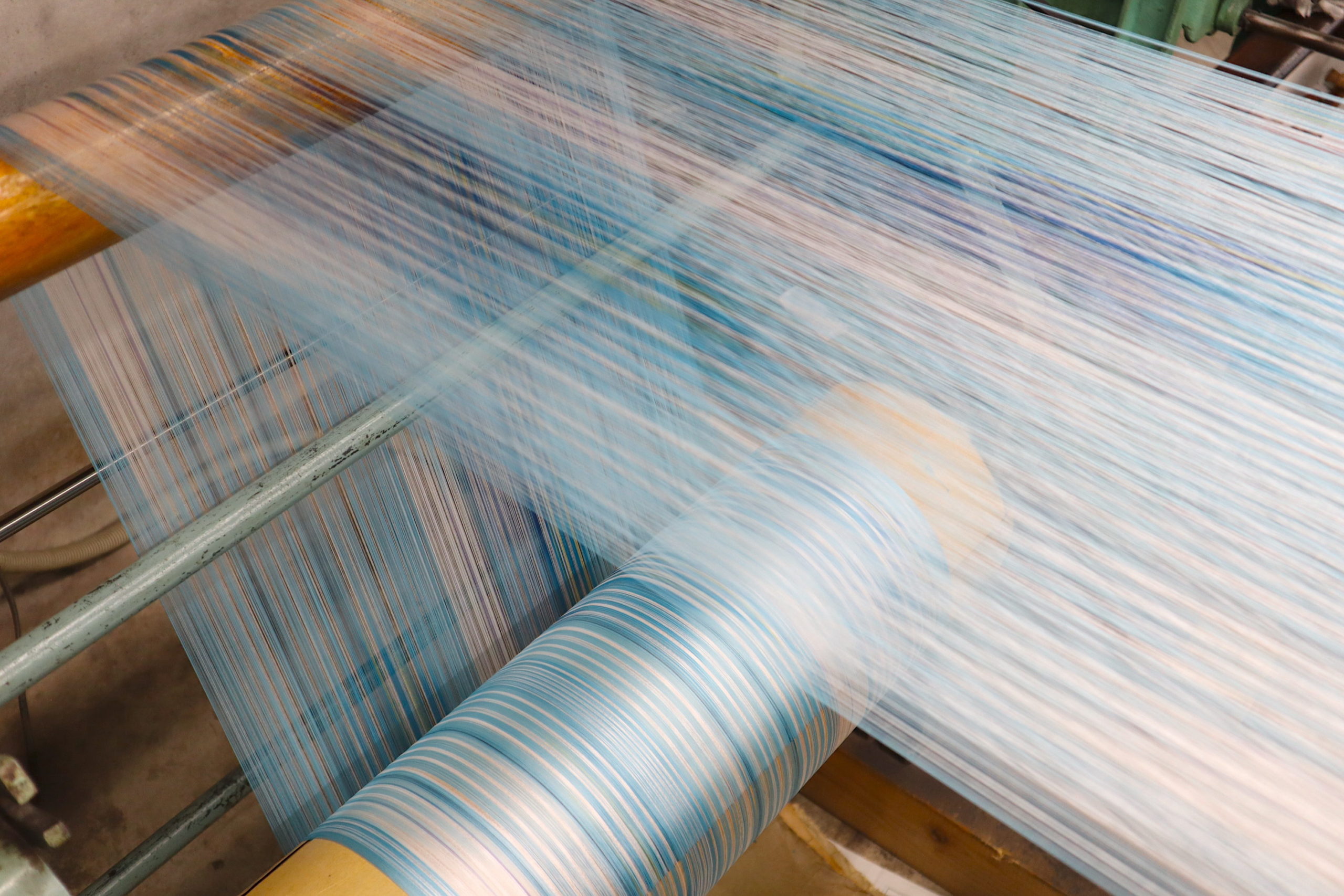
After dyeing, the yarn—measuring several dozen meters—is carefully arranged in a process called tenobe (hand stretching). Based on a detailed design chart, each thread is aligned by length and quantity, without causing any twisting, and divided into warp and weft. The warp threads are then threaded by hand through the osa (a reed-like component of the loom). All of this is done manually, with the graceful precision of skilled artisans. Once all preparations are complete, the weaving begins, following the design plan with meticulous care.
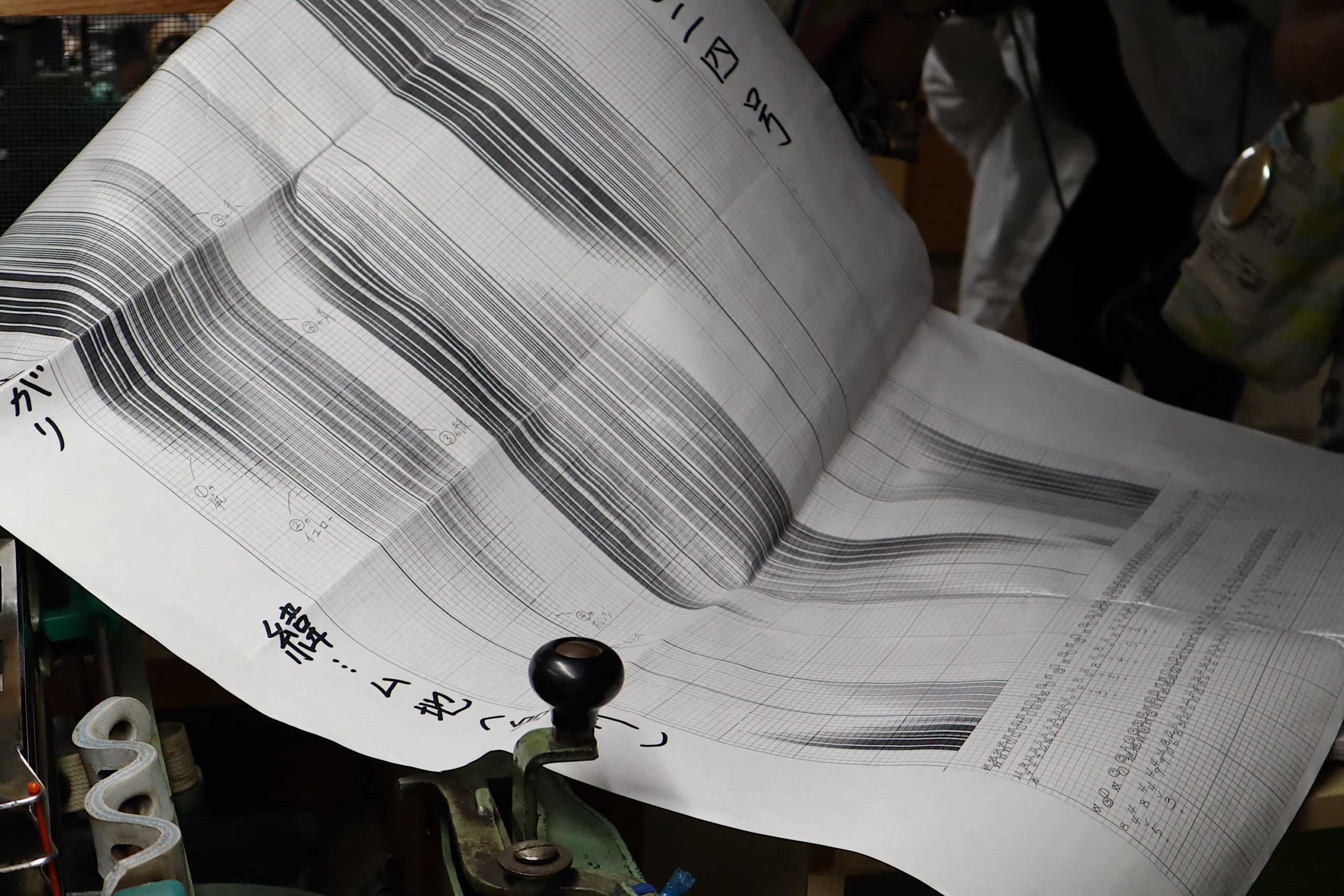
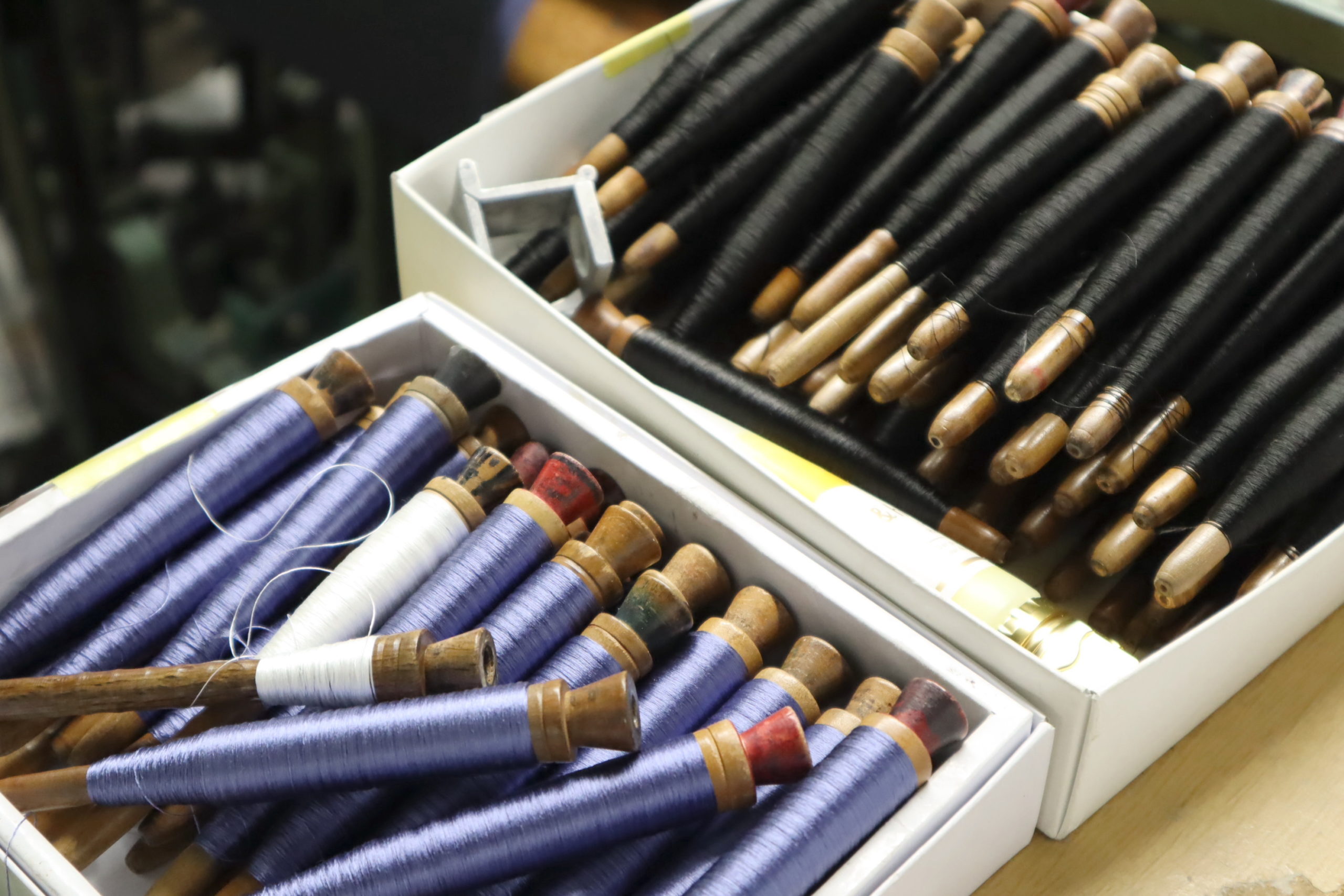
A defining feature of Akashi Chijimi is its use of 2,246 warp threads—nearly twice the number typically used for tsumugi, which generally has around 1,200. Right-twisted and left-twisted yarns are woven in alternating sequence, giving the fabric its distinctive character. Its patterns range widely, from gradated stripes and arrow-feather motifs to checkerboard designs. Yoshizawa Orimono also creates designs incorporating osanami-ori, a technique in which the warp threads shift gently from side to side, producing a wave-like surface across the cloth. Because Akashi Chijimi is woven from yarns dyed separately for each pattern, it is considered an especially demanding textile to produce. From the preparation of the yarn to the completion of a single design, the process takes two to three months—and for some patterns, as long as half a year.
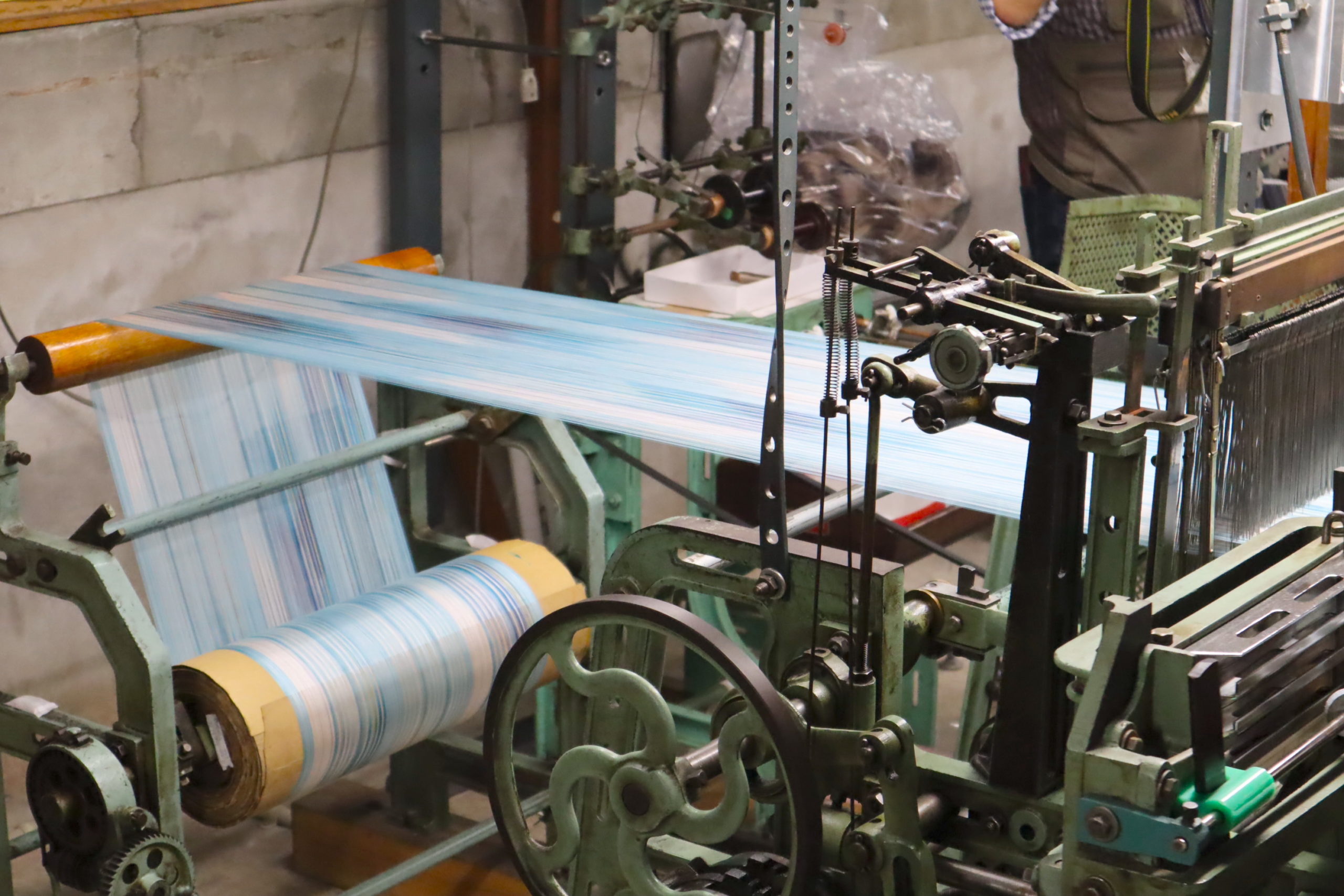
The looms in Yoshizawa Orimono’s workshop have been weaving Akashi Chijimi for nearly fifty years. The high humidity of this snow country is well suited to spinning and twisting silk yarn, yet moisture is the enemy of the loom itself. To balance these opposing conditions, the workshop maintains strict control over both temperature and humidity throughout the production process.
Summer Classic for Kimono Lovers
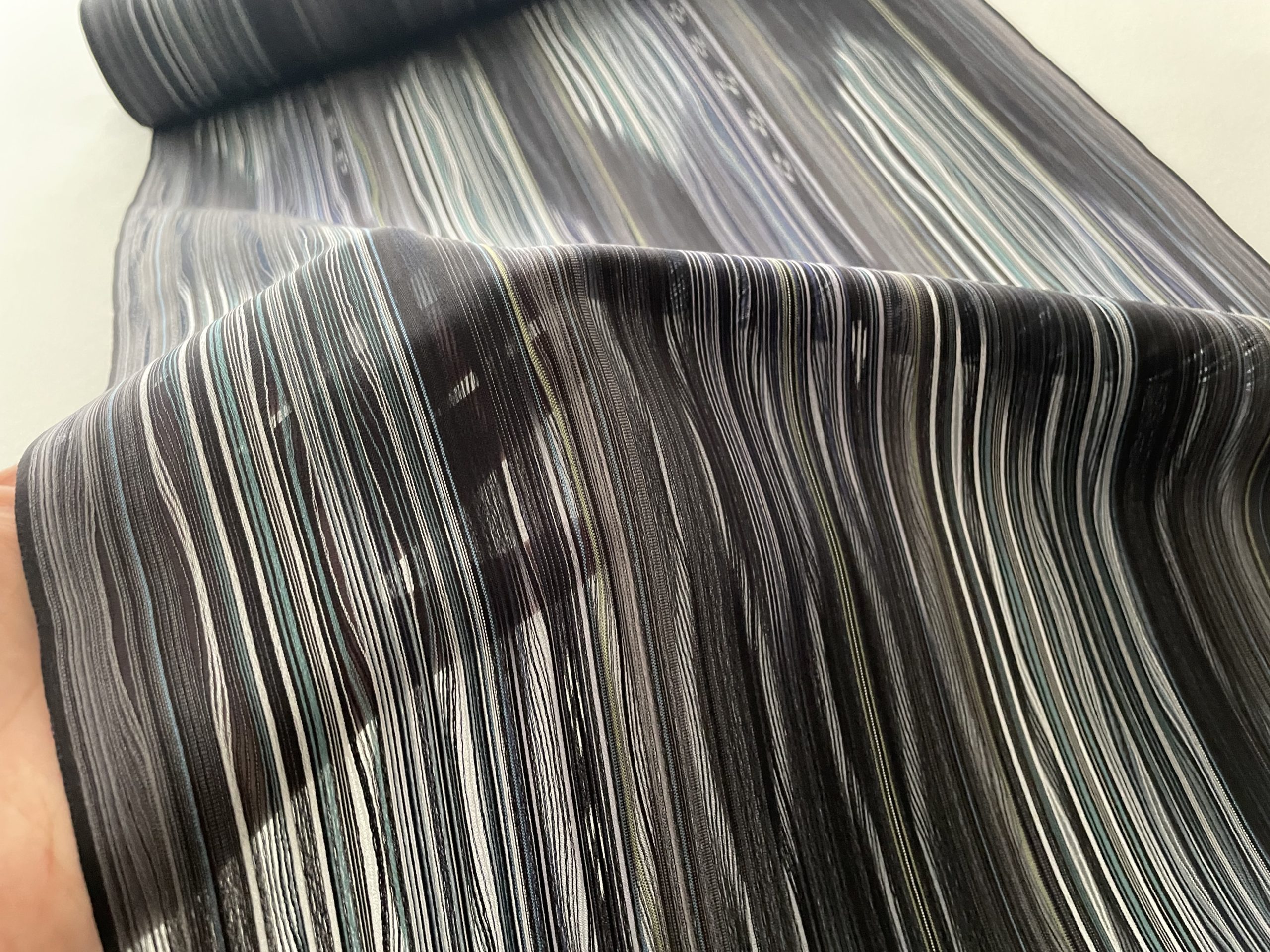
In the final stage, known as yumomi—a process of kneading the fabric in hot water—the signature wave-like crepe texture, or shibo, emerges. This is the defining beauty of Akashi Chijimi: a textile that moves lightly over the skin, with a translucent quality and exceptional breathability that make it especially suited to summer kimono.
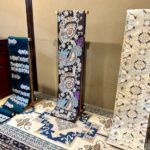
Designated as a National Traditional Craft of Japan in 1982, Tokamachi Akashi Chijimi continues to evolve while honoring its classic patterns. Alongside designs that faithfully preserve tradition, contemporary interpretations are also woven, allowing the textile to remain close to the changing lifestyles and needs of kimono lovers. As rising temperatures make even April feel warm enough for perspiration, Akashi Chijimi may find an even longer season in the years ahead. With its lightness, breathability, and quiet elegance, it offers a graceful way to enjoy kimono comfortably through the warmer months.

See Also : The Textile Encyclopedia | Tokamachi Akashi Chijimi (Niigata Prefecture)
See Also : The House of Heritage vol.1 | Yoshizawa Orimono
Yoshizawa Orimono Co., Ltd.
686-1 Honcho, Tokamachi-shi, Niigata, Japan
+81-25-752-4131
Official Website>>